
|
|
|
Jewish World Review March 23, 2000/ 16 Adar II, 5760
http://www.jewishworldreview.com --
SPRING SPORTS SEASON in the suburbs is now in full throttle, and in the time honored tradition of the boys of summer we now have the American phenomenon of the boys and girls of summer, fall, winter, and spring.
Encompassing an array of sports well beyond baseball, suburban kids are spending three days a week or more, practicing, playing and traveling to and from sports events for baseball, T-ball, basketball, soccer, lacrosse, softball, etc. on a virtually year—round basis.
“For many kids today, much of their after school time is consumed with the demands of local team sports.” says one Suburban dad, architect Jonathan Felsman, who has two sons, ages 9 and 7. Some kids, with the encouragement of their parents, play one (1) sport year round. They specialize at an early age without having known any of the pleasures of other sports let alone have the time to explore and develop other interests in the arts or nature or anything else that strikes their fancy.
Also, we felt strongly that while we wanted our kids to learn to compete with other youngsters, we didn’t want winning to be the most important thing about playing the game.
Too many leagues flight their players. The best play with the best and the rest are left behind. Still at a young age kids need to be allowed to develop their potential skills at their own rates. In the same way that academic tracking doesn’t really begin until high school, town athletics should not track their players until they’ve had the chance to develop their skills. It’s wonderful to win, but like lots of other parents, we wanted our sons to be part of a team that stresses sportsmanship and team spirit, and develops a sense of community. We wanted them to learn to be team players in the true sense of the word; by learning to take pleasure in their teammates’ accomplishments as well as their own, and to be able to take pride in trying their best, even when they don’t win.
Last, and maybe most important of all, we wanted our boys to have lots of fun playing the game. So a relaxed atmosphere, where an upcoming game is regarded, essentially, as just a game, was a crucial requirement for us.”
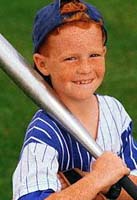 The game(s) of life
By Dr. Janice Cohn
 They have no time for “play”. For athletes and non-athletes alike it makes the most sense to develop a range of skills at an early age and then as a teenager to choose to specialize. My wife Lynne and I wanted our two boys to be involved with different sports; to know the pleasures and challenges of being part of a team-- but we didn’t want the experience to take over their lives, or to solely define who they are at this early age.

They had a clear vision of what they wanted, and boundless enthusiasm and energy. The only thing they did not have was – as it turned out—a league. “We soon discovered that the league we were looking for simply didn’t exist in our area,” Felsman recalls. Rather than give up or compromise on his ideals Felsman, who as an architect has more than once created what did not previously exist, decided, with the help of a core of like-minded parents and the local recreation department, to create their own soccer club. Thus was born The South Mountain Soccer Club.
Now, just a year since its inception, there are 150 third, fourth and fifth grade boys and girls, divided into 9 teams, who are playing in the club. They have formed a league with like-minded parents of neighboring towns and expect that their program will soon be larger than the existing town traveling team program. They learn most of their soccer skills during a Thursday evening clinic run by soccer professionals. This leaves the four parent coaches free to focus on the kind of “life lessons” that the parents of the young players want their kids to be exposed to. There is even an as-yet-unnamed newsletter, with the goal of fostering a sense of community among the players, and highlighting skills and accomplishments of the teammates, which may or may not relate to the children’s soccer playing abilities. A club web site is also in the works.
 And how do kids feel about the club? One participant, nine year old Henry Felsman puts it this way, “I love soccer, that’s my main sport. But I still like the indoor basketball league, the baseball little league, my piano teacher, our family bicycle trips, and most of all my friends: If I could choose to do others, I’d probably ask for a lot less homework. “It’s great! You play, just the right amount of time.”
(He states for the record that he is completely objective and uninfluenced by all his dad’s hard work.)
Parents interested in information about setting up similar sports teams in their own communities can contact Jonathon Felsman by clicking here.



02/16/00:Whatever happened to playing for playing's sake?
02/03/00: Down to Earth Heroes
01/27/00: Parental discipline affects child's compassion